

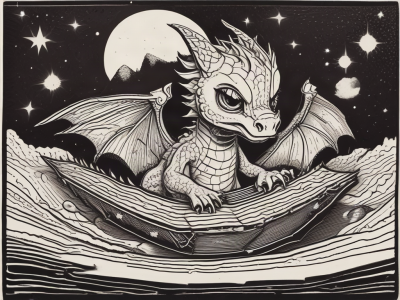
Core Principle: Authenticity vs Stylization
Modern image models can generate hyperrealistic photos as well as fantastical art worlds. The key is avoiding contradictory signals. Never mix "photorealistic" with "octane render", as this causes an unnatural plastic hybrid look.
Mastering Photorealism: Real Textures over Plastic Looks
To simulate genuine photography, include real-world camera references and subtle natural imperfections:
The Strongest Keywords for Real Photos:
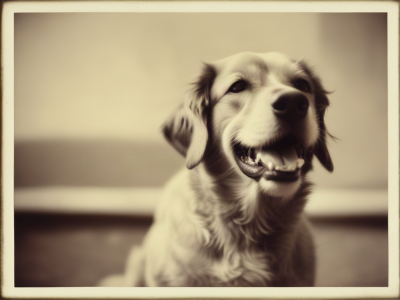
Hasselblad 500C, 35mm lens, f/1.8 aperture– conveys genuine optical lens depth and character.natural skin texture, subtle wrinkles, pores, imperfections– prevents the typical over-smoothed AI plastic finish.candid photography, raw authentic moment, soft overcast daylight– creates unposed, authentic naturalness.
Digital Art, 3D & Anime: Creating Fantastical Worlds
For illustrative, cinematic or magical styles, combine modern rendering terms with distinct artistic sensibilities:
The Strongest Keywords for Digital Art:
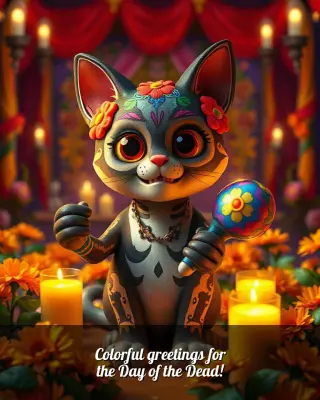
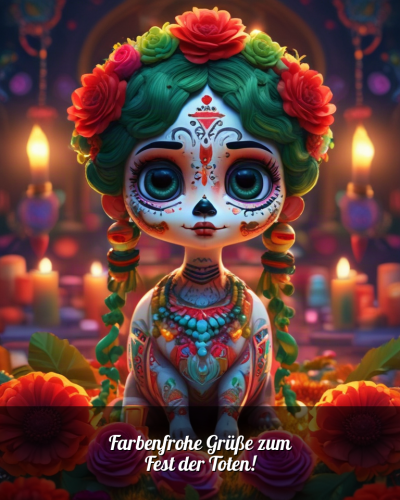
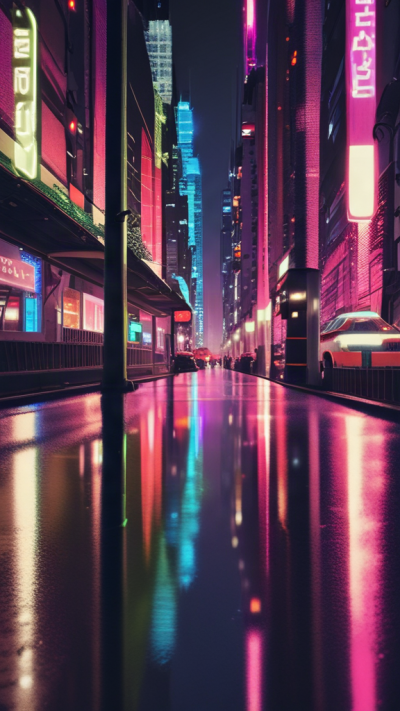
Octane Render, Unreal Engine 5, Raytracing– for vivid 3D scenes with polished reflections and lighting.Digital painting by Studio Ghibli, vibrant matte painting– for painterly, illustrative storybook worlds.Artstation trending, highly detailed concept art– elevates your images to contemporary gaming concept art standards.
Direct Comparison Overview
| Criterion | Photorealism | Digital Art & 3D |
|---|---|---|
| Focus | Textures, natural flaws, physically accurate light | Stylization, color palettes, dramatic lighting |
| Keywords | raw photo, 35mm, real textures, natural light |
octane render, artstation, digital painting, glowing |
| OpenPix Style Preset | Photorealistic | Cinematic 3D or Anime |
Compare Styles Now!
Open the OpenPix Studio and try the different presets with your subject.