


Better prompts for Oil Painting
Oil-painting prompts with directional brushwork, color temperature and visible canvas.
A guide by OpenPix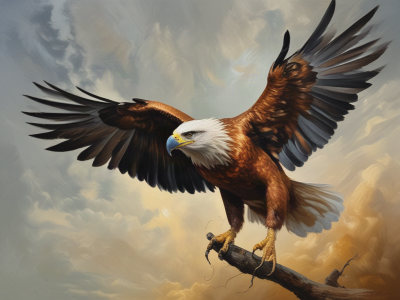
How to direct this visual style
Distinguish thin glazes from thick highlights. Specify where light catches raised paint and which shapes should stay in quieter areas.
From subject to a readable scene
Start with one clear subject and a specific action. Then describe the setting, framing and light. Select the matching style in the OpenPix studio; the style already adds visual guidance. Add details that support your scene instead of stacking conflicting styles.
Detailed example prompts
Example 1: A clear main subject
A still life with three pears and a dark-blue vase on linen. Warm side light from a studio window, cool shadows, visible canvas, thick expressive brushstrokes on the lit fruit, quiet dark-brown background and classical oil-painting appearance.
Color temperature and varied paint thickness give the objects depth and a convincing painted character.
Example 2: A distinct scene
An old harbor in windy evening light with two moored fishing boats in the foreground. Expressive oil painting, directional strokes across the water, broken blues and ochres, raised bright reflections and simplified distant houses.
The second scene applies the same visual language to another situation. The subject, spatial arrangement and light source are explicit, keeping the variation deliberate.
Best practices for your images
- Choose one warm and one cool color family before adding detail.
- Create a simple version first. Then change only the action, light or perspective at a time and compare results. Keep the strongest prompt together with the style you used.
Common mistakes and limitations
- Equally thick paint everywhere can obscure important forms.
- Prompts guide generation but cannot guarantee identical details or a specific resolution. Check hands, lettering, geometry and small objects before using an image.