


Better prompts for Papercraft Origami
Origami and papercraft prompts with visible folds, material thickness and soft shadows.
A guide by OpenPix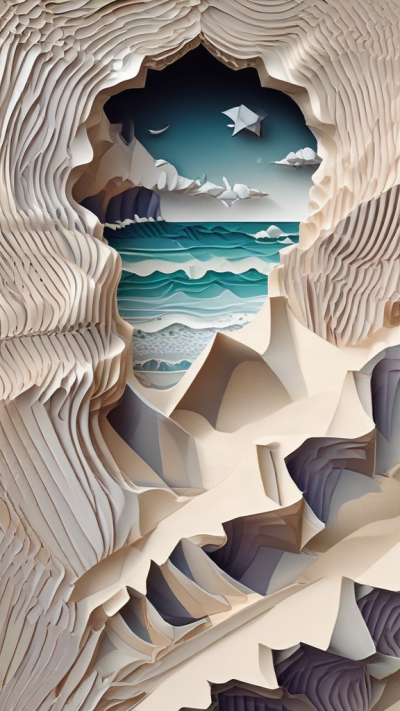
How to direct this visual style
Describe a folded or cut-paper construction. Specify paper thickness, edges and lighting so the result does not resemble plastic or a generic 3D object.
From subject to a readable scene
Start with one clear subject and a specific action. Then describe the setting, framing and light. Select the matching style in the OpenPix studio; the style already adds visual guidance. Add details that support your scene instead of stacking conflicting styles.
Detailed example prompts
Example 1: A clear main subject
A fox folded from rust-orange paper on a cream surface. Visible geometric folds and fine paper fibers, one upright tail, soft side light, short contact shadows and a restrained studio composition without decoration.
Fold edges and contact shadows explain the material; the restricted palette keeps the shape readable.
Example 2: A distinct scene
A mountain landscape built from five layered paper sheets. Cut blue and gray card shapes, visible thickness at the edges, small shadows between layers, soft light from the left and clear graphic papercraft.
The second scene applies the same visual language to another situation. The subject, spatial arrangement and light source are explicit, keeping the variation deliberate.
Best practices for your images
- Specify whether the subject is folded, cut or assembled in layers.
- Create a simple version first. Then change only the action, light or perspective at a time and compare results. Keep the strongest prompt together with the style you used.
Common mistakes and limitations
- Metallic reflections conflict with the intended paper surface.
- Prompts guide generation but cannot guarantee identical details or a specific resolution. Check hands, lettering, geometry and small objects before using an image.